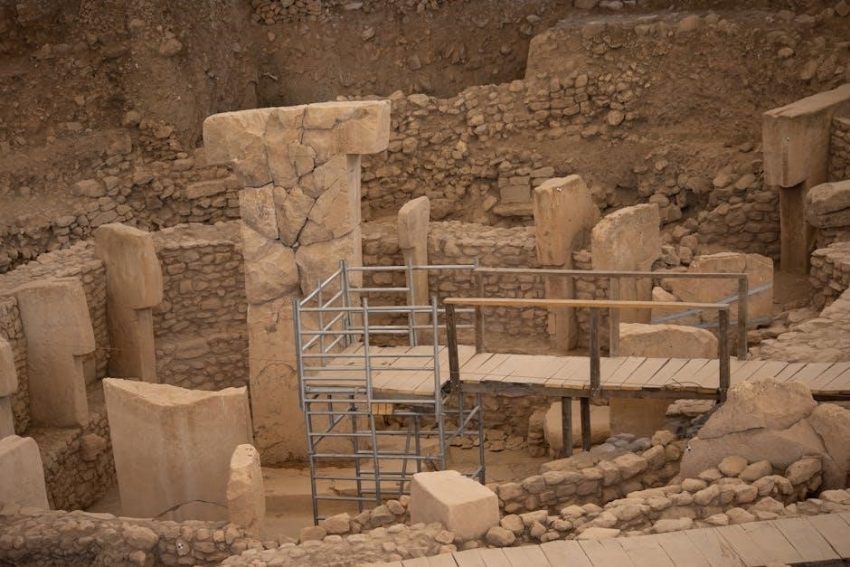
Archaeology, introduced with Cataclysm, lets players unearth relics for gold, unique items, and even account-bound epics – a rewarding profession!
This guide details efficient leveling strategies and the benefits awaiting dedicated Cataclysm Classic archaeologists, starting from skill 1 to 525.
What is Archaeology?
Archaeology is a unique profession in Cataclysm Classic, differing significantly from traditional crafting skills. Instead of creating items, players actively discover them by excavating dig sites scattered across Azeroth. These sites contain fragments and complete artifacts representing lost civilizations;
The core gameplay loop involves traveling to designated locations, using your Archaeology skill to unearth buried objects, then carefully brushing, solving, and restoring these finds. It’s a profession driven by exploration and a bit of luck, offering a compelling alternative playstyle for those seeking adventure beyond dungeons and raids;
Why Level Archaeology? (Rewards Overview)
Leveling Archaeology in Cataclysm Classic unlocks a wealth of desirable rewards. Beyond substantial gold income from selling discovered artifacts on the Auction House, players can obtain unique toys and vanity items to personalize their characters.
However, the most coveted rewards are the mounts – rare and prestigious additions to any collection – and powerful, account-bound epic items. These epics provide a significant power boost, making Archaeology a worthwhile pursuit for both casual collectors and dedicated raiders seeking an edge.
Getting Started with Archaeology
Embark on your archaeological journey by locating a trainer and acquiring the skill! Dig sites are visible on the world map as shovel icons.
Finding an Archaeology Trainer
Archaeology trainers are essential for initiating your profession and learning new ranks. Several trainers are strategically located across Azeroth, making access convenient for most players. For Alliance characters, trainers can be found in major cities like Stormwind and Ironforge.

Horde players should seek out trainers in Orgrimmar and Thunder Bluff. Remember that you must be at least level 20 to begin learning Archaeology. Simply travel to one of these locations and look for the Archaeology trainer icon on your minimap to begin your journey into uncovering ancient relics!
Acquiring the Archaeology Skill
Once you’ve located an Archaeology trainer, the process of acquiring the skill is straightforward. The initial training costs a small amount of gold, granting you the ability to begin digging at designated dig sites. Remember you need to be level 20 or higher to learn the skill.
After the initial training, you’ll unlock the Archaeology skill window. This window displays your current skill level and provides access to research options. From here, you can begin your adventure by locating dig sites on the world map, indicated by shovel icons, and starting your excavations!
Dig Site Locations and Strategies
Cataclysm Classic features dig sites across continents, marked by shovels on your map. Efficient leveling requires strategic site selection and understanding fragment availability.
Northern Eastern Kingdoms Dig Sites
Northern Eastern Kingdoms offers several dig sites ideal for early Archaeology leveling in Cataclysm Classic. Sites in Dun Morogh, the Wetlands, and Loch Modan are readily accessible and provide a consistent flow of fragments. These locations are particularly good for players starting the profession, offering a relatively safe environment with fewer interruptions from hostile creatures.
Focus on completing daily quests associated with these dig sites to maximize experience gains and unlock further opportunities. Remember to survey the area for hotspots to increase your chances of uncovering valuable artifacts and accelerate your progress towards skill 525.
Kalimdor Dig Sites
Kalimdor presents diverse Archaeology dig sites in Cataclysm Classic, ranging from the arid landscapes of Tanaris (covered elsewhere) to the lush forests of Ashenvale and the stony shores of Feralas. These locations offer a different set of artifacts compared to the Eastern Kingdoms, encouraging players to explore both continents for comprehensive collection.
Expect increased competition at popular sites, and be prepared for potential interruptions from local wildlife. Utilizing surveying techniques is crucial for locating hotspots and maximizing your digging efficiency across Kalimdor’s varied terrain.
Howland Dig Sites
Howland, the shattered remnants of a once-great titan facility, offers unique Archaeology dig sites in Cataclysm Classic. These sites are primarily located in the northern regions of Northrend, presenting a challenging environment due to the harsh climate and potential encounters with hostile creatures.
Digging in Howland yields artifacts related to the titan’s experiments and the history of the area, often including rare and valuable pieces. Surveying is particularly important here, as hotspots can be sparsely distributed across the frozen landscape.
Tanaris Dig Sites
Tanaris presents a scorching desert environment for Archaeology in Cataclysm Classic, offering dig sites rich with artifacts from the lost goblin empire. These sites are generally easier to access and navigate compared to others, but the intense heat can be a factor. Expect to find relics related to goblin technology and history.
The dig sites in Tanaris are known for a relatively high spawn rate of common artifacts, making it a decent location for initial skill leveling. Surveying is still recommended to locate the more lucrative hotspots.
The Digging Process
Archaeology involves locating dig sites, using your skill to unearth fragments and artifacts, then carefully brushing, solving, and restoring them for rewards!
Using the Archaeology Skill
Archaeology utilizes a unique skill system centered around dig sites marked on your world map with shovel icons. Once at a site, activate your Archaeology skill, and begin surveying the area for hotspots. These hotspots indicate areas with a higher concentration of artifacts.
Clicking on a hotspot initiates the digging process. You’ll uncover fragments, artifacts, or sometimes, nothing at all! The skill determines your success rate and the quality of finds. Remember to manage interruptions from local wildlife like goblins and kobolds, as they can halt your progress. Consistent digging and careful restoration are key to leveling!
Brush, Solve, and Restore

Once you unearth an artifact, the process doesn’t end there! Each artifact requires three stages: brushing, solving, and restoring. Brushing carefully removes dirt, revealing fragments of the artifact. Solving involves a tile-based puzzle – successfully completing it increases the artifact’s quality.
Finally, restoring pieces the artifact back together. Higher skill levels improve your chances of success at each stage, yielding better quality artifacts. Failing a stage doesn’t destroy the artifact, but lowers its potential value. Patience and practice are vital!
Dealing with Interruptions
Digging isn’t always peaceful! Goblins and Kobolds frequently interrupt your archaeological efforts, attempting to steal your finds. These pesky creatures will attack, halting your progress. Be prepared to defend yourself – a moderate gear level is recommended, especially at lower skill levels.
Interruptions reset your dig site progress, so quick reactions are key. Defeating the interlopers allows you to resume digging. Some players utilize alt characters to scout dig sites and eliminate potential threats beforehand, maximizing efficiency and minimizing downtime.
Artifact Types and Rarity
Archaeology yields Common, Uncommon, and Rare artifacts, each with varying value and restoration complexity, offering diverse rewards for diligent diggers!
Common Artifacts
Common artifacts represent the bulk of your archaeological finds in Cataclysm Classic. While individually they don’t fetch high prices on the Auction House, their sheer quantity makes them crucial for skill leveling. These fragments and smaller relics are relatively easy to brush off and restore, requiring minimal effort and time investment.
Don’t dismiss them! Accumulating common artifacts is essential for progressing through the archaeology skill tiers. They contribute significantly to your overall experience gain and unlock access to rarer, more valuable discoveries. Focus on efficient digging to maximize your common artifact yield.
Uncommon Artifacts
Uncommon artifacts in Cataclysm Classic offer a step up in value and complexity compared to common finds. They provide a moderate boost to archaeology skill gains and typically sell for a decent price on the Auction House, making them worthwhile to collect and restore. These items often require a bit more careful brushing and puzzle-solving during the restoration process.
While not as frequent as common artifacts, uncommon discoveries contribute significantly to your overall profit and progression. Prioritize completing these restorations to maximize your earnings and accelerate your skill leveling journey.
Rare Artifacts
Rare artifacts represent the pinnacle of archaeological discoveries in Cataclysm Classic. These are infrequent finds, but they offer substantial skill-up rewards and command high prices on the Auction House. More importantly, rare artifacts are often components needed to unlock unique rewards like mounts, pets, and powerful account-bound epic items.
Restoring these artifacts demands patience and skill, as the puzzles are considerably more challenging. Successfully completing a rare artifact restoration is a significant achievement and a major step towards obtaining the profession’s most coveted treasures.
Specializations and Research
Archaeology allows specialization in different cultures, enhancing artifact discovery rates and unlocking research bonuses for increased efficiency and rewards.
Choosing a Specialization
Archaeology specializations focus on specific ancient cultures – Dwarven, Gnome, Night Elf, Orcish, and Titan. Selecting a specialization isn’t permanent, allowing experimentation to find what suits your playstyle and desired rewards;
Each specialization boosts your skill when excavating sites related to that culture, increasing the chance of uncovering rarer artifacts. Consider which rewards appeal most; mounts and toys often correlate with specific cultures. Remember, researching artifacts within your chosen specialization grants significant bonuses, making focused digging more profitable and efficient.
Don’t hesitate to switch specializations as you progress and your goals evolve!
Researching Artifacts for Bonuses
Researching artifacts is crucial for maximizing Archaeology’s benefits. Once you’ve collected enough artifacts of a specific culture, you can initiate research at an Archaeology trainer. This unlocks bonuses tied to that culture, increasing your chances of finding rarer items at corresponding dig sites.
Researching also provides knowledge points, used to further enhance your specialization. These points unlock powerful bonuses like increased survey efficiency and reduced restoration costs. Prioritize researching artifacts aligned with your chosen specialization for optimal gains, accelerating your progress and reward acquisition.
Advanced Archaeology Techniques
Mastering surveying for hotspots and optimizing digging routes significantly boosts efficiency, allowing dedicated archaeologists to unearth more artifacts in less time.
Surveying for Hotspots
Effective archaeology relies on identifying dig site hotspots. Once learned, the skill allows players to scan a dig site, revealing areas with a higher concentration of artifacts. These hotspots are visually indicated on the map, guiding you towards the most rewarding digging locations.
Prioritize surveying each dig site upon arrival; it’s a crucial first step. Remember that hotspots aren’t static – they shift over time, necessitating repeated surveys throughout your digging session. Regularly checking for new hotspots maximizes your artifact yield and minimizes wasted effort, accelerating your skill progression.
Efficient Digging Routes
Maximizing efficiency at dig sites involves establishing a systematic route. Instead of randomly selecting dig spots, move in a grid-like pattern, thoroughly covering the area. This minimizes backtracking and ensures you don’t overlook potential finds.
Combine this with hotspot surveying; prioritize digging within identified hotspots first. Be mindful of respawn timers for dig sites – they replenish over time. Rotating between multiple dig sites, rather than exhausting one completely, maintains a consistent flow of available fragments and artifacts, speeding up your leveling process.
Notable Artifact Rewards
Archaeology yields fantastic rewards, including unique mounts, fun toys, and powerful, account-bound epic items – a compelling reason to dedicate time to digging!
Mounts from Archaeology
Archaeology offers several highly sought-after mounts, making it a lucrative profession for collectors. Players can uncover the Swift Rylak, a fast ground mount, and the majestic Grand Black War Mammoth, boasting a generous 30-slot bag.
Obtaining these mounts requires significant dedication and a bit of luck, as they are rare drops from specific artifact discoveries. The Fossilized Raptor is another obtainable mount. Successfully assembling the required pieces is a rewarding achievement, providing both prestige and a practical advantage.
Toys and Vanity Items
Archaeology isn’t just about mounts and epics; it’s a treasure trove of fun toys and cosmetic items! Players can dig up a variety of whimsical gadgets, like the Mechanical Chicken or the Mimicry Automaton, adding a playful touch to their adventures.
Numerous vanity items, including hats, cloaks, and weapon illusions, are also discoverable. These unique rewards allow for character customization and self-expression. Collecting these items provides a delightful incentive alongside the more practical benefits of the profession.
Account-Bound Epic Items
Archaeology distinguishes itself by offering powerful, account-bound epic items – a significant draw for dedicated players. These aren’t Bind-on-Equip; they’re usable by all characters on your account, providing a substantial boost to progression.
Notable examples include the Timeless Isle gear, offering strong stats for leveling or gearing alts. Obtaining these items requires dedication and a bit of luck, but the rewards are well worth the effort, providing a lasting advantage across your entire account.
Gold Making with Archaeology
Archaeology provides a steady gold income through artifact sales on the Auction House, with certain relics commanding high prices due to rarity and demand.
Selling Artifacts on the Auction House
Auction House mastery is key to maximizing Archaeology profits. Regularly scan the market to understand current prices for different artifact types, avoiding undercut wars.
Rare and unique artifacts, especially those used in recipes or sought after by collectors, fetch the highest prices. Consider using an auction house addon to automate listing and relisting.
Don’t immediately sell common artifacts; sometimes, demand spikes unexpectedly. Patience and market awareness are crucial for substantial gold gains. Researching before listing ensures optimal returns!
Profitable Artifacts to Look For
Certain Archaeology finds consistently command high prices. Disc fragments, particularly those used in powerful enchantments, are always in demand. Look for Tol’vir artifacts, often needed for reputation and unique items.
Dwarven and Goblin artifacts can also be lucrative, depending on server economy. Keep an eye out for pieces required for specific achievements or transmogrification sets.
Rare plans and recipes discovered through Archaeology are exceptionally valuable. Regularly check the Auction House to identify current market trends and prioritize profitable digs.
Troubleshooting and Common Issues
Dig sites often attract hostile creatures like Goblins and Kobolds, interrupting your work. Prepare for combat or choose less contested locations for smoother progress!
Dealing with Goblins and Kobolds
Goblins and Kobolds frequently guard dig sites, aggressively interrupting your archaeological efforts. These pesky creatures will attack upon proximity, halting your digging progress and potentially causing frustration. It’s crucial to be prepared for combat; equip appropriate gear and consider bringing along a companion.
Alternatively, scout for dig sites with less frequent interruptions, or choose times when fewer players are active. Some players opt to quickly dispatch the creatures before commencing a dig, ensuring uninterrupted research. Remember, patience and preparedness are key to overcoming these common archaeological obstacles!
Recovering from Dig Site Failures
Dig site failures are inevitable in Archaeology. Sometimes, despite your best efforts, a dig will yield nothing, or be interrupted repeatedly. Don’t be discouraged! These setbacks are part of the process. Move to a different hotspot within the same zone, or even relocate to a completely new dig site.
Remember to survey frequently to identify richer areas. Utilizing a fresh dig site often yields better results. Consistent surveying and adapting your location are vital for efficient skill leveling and artifact recovery, minimizing wasted time and maximizing your archaeological gains.