
Mrs. Wages Salsa Mix Instructions: A Comprehensive Guide
Discover the secrets to crafting delicious, homemade salsa using Mrs. Wages mixes! This guide provides detailed instructions,
tips, and variations for a perfect salsa experience, ensuring flavorful results every time.
Understanding Mrs. Wages Titles & History
The story behind “Mrs.” is surprisingly complex, originating as a contraction of “Mistress,” initially applied to all women, regardless of marital status, within the upper classes. Literary figures like Defoe and Johnson utilized “Mrs.” for both married and unmarried women. Over time, its meaning solidified to denote a married woman, contrasting with “Miss” for those unmarried.
Pronunciation is key; “Mrs.” is correctly pronounced “MISiz,” mirroring “Miss.” However, in American English, addressing a married woman politely without her last name often defaults to “ma’am.” The abbreviation, dating back to the sixteenth century, evolved from “mistress” and remains a standard honorific. Understanding this historical context provides insight into the respectful use of titles.
The Evolution of “Mrs.” — From Mistress to Marital Status
Initially, “Mrs.” functioned as a general term of respect for women, equivalent to “Mr.” for men, signifying social standing rather than marital status. This usage, prevalent in the upper classes, saw “Mistress” – the feminine of “Master” – applied universally. However, societal norms gradually shifted, and “Mrs.” became increasingly associated with married women.
Notable authors like Daniel Defoe, Samuel Richardson, and Henry Fielding employed “Mrs.” for unmarried women, demonstrating the fluidity of the title’s meaning in earlier periods. The eventual narrowing of its definition to denote marriage distinguished it from “Miss,” reserved for unmarried women. This evolution reflects changing social conventions and the increasing emphasis on marital status in addressing women.
Correct Pronunciation of “Mrs.”
Pronouncing “Mrs.” correctly often presents a subtle challenge. Despite the visual similarity to “Miss,” the proper pronunciation is “MIS-iz,” not “MRS-iz.” This distinction is crucial for demonstrating respect and avoiding miscommunication. The pronunciation mirrors that of “Missus,” the full word from which “Mrs.” is abbreviated, and reflects its historical origins.
Many individuals unfamiliar with this nuance mistakenly pronounce it as “MRS-iz,” potentially causing confusion or appearing uninformed. Remembering the “MIS-iz” pronunciation is a simple yet effective way to ensure accurate and polite address. It’s a detail that showcases attention to proper etiquette and linguistic precision, particularly in formal settings.
Mrs. vs. Miss: Defining the Difference
Historically, the distinction between “Mrs.” and “Miss” clearly indicated a woman’s marital status. “Miss” was traditionally used to address unmarried women, signifying their single status. Conversely, “Mrs.” denoted a married woman, acknowledging her marital commitment. This convention stemmed from societal norms surrounding marriage and a woman’s role within them.
However, modern usage has blurred these lines somewhat. While “Mrs.” remains appropriate for married women who prefer it, the rise of “Ms.” offers an alternative that doesn’t reveal marital status. Understanding this historical context is vital, but recognizing contemporary preferences is equally important. Choosing the correct title demonstrates respect and sensitivity to individual preferences.

Mrs. vs. Ms.: Navigating Modern Usage
The introduction of “Ms.” revolutionized formal address, offering a neutral title for women regardless of marital status. Unlike “Mrs.”, which explicitly denotes marriage, “Ms.” doesn’t reveal this information, empowering women to choose how they present themselves. This is particularly relevant in professional settings where marital status is often irrelevant.
When unsure, “Ms.” is generally considered the safest and most respectful option. It avoids assumptions about a woman’s marital life and acknowledges her autonomy. However, some married women still prefer “Mrs.”, valuing the traditional acknowledgment of their marital status. Always respect a woman’s stated preference; if she indicates “Mrs.”, use it.

Making Salsa with Mrs. Wages Mix
Embark on a culinary adventure! Utilizing Mrs. Wages mix simplifies salsa creation, delivering authentic flavor with minimal effort and maximum enjoyment for everyone.
Essential Ingredients for Mrs. Wages Salsa
Creating vibrant salsa with Mrs. Wages requires a few key components beyond the mix itself. Ripe tomatoes form the foundation – consider Roma or plum varieties for their firm texture and balanced flavor. Crucially, you’ll need vinegar; the standard ratio is ½ cup of vinegar per packet of Mrs. Wages mix, ensuring proper preservation and tang.
While the mix provides seasoning, enhancing with fresh ingredients elevates the final product. Onions contribute a sharp bite, while cilantro adds a fresh, herbaceous note. For those who enjoy heat, jalapeños are a fantastic addition, allowing you to customize the spice level. Don’t forget water to achieve your desired consistency! These simple ingredients, combined with the convenient Mrs. Wages mix, unlock a world of salsa possibilities.
Vinegar Ratio: The 1/2 Cup Per Pack Rule
Maintaining the correct vinegar-to-mix ratio is paramount when using Mrs. Wages salsa mix. The golden rule is consistently ½ cup of vinegar for each packet of the mix. This isn’t merely about taste; vinegar acts as a crucial preservative, extending the salsa’s shelf life and ensuring food safety.
Using too little vinegar can result in a bland salsa prone to spoilage, while excessive amounts will create an overly acidic flavor. White vinegar is the most commonly recommended type, providing a clean, neutral base that allows the other flavors to shine. Adhering to this 1/2 cup per pack guideline guarantees a balanced, flavorful, and safely preserved homemade salsa every single time you prepare it with Mrs. Wages.
Mrs. Wages Mild Salsa Mix: A Popular Choice
Mrs. Wages Mild Salsa Mix consistently ranks as a favorite among salsa enthusiasts, particularly those who prefer a gentler flavor profile. Its widespread appeal stems from its versatility – it’s an excellent starting point for customizing salsa to individual tastes. The mild mix provides a balanced foundation, allowing you to easily add fresh ingredients like onions, cilantro, or a touch of jalapeño for a personalized kick.
This mix is ideal for families with varying spice tolerances or for those new to making homemade salsa. It delivers authentic salsa flavor without overwhelming heat, making it perfect for chips, tacos, or as a topping for various dishes. Mrs. Wages Mild is a reliable choice for consistently delicious results.
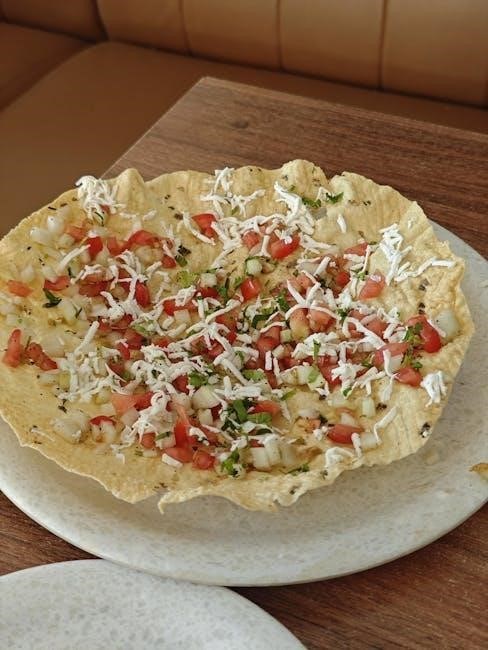
Detailed Instructions for Salsa Preparation
Follow these simple steps to create vibrant salsa! Combine tomatoes, vinegar (1/2 cup per pack), and Mrs. Wages mix for a fresh, flavorful experience.

Step-by-Step Guide to Mixing Mrs. Wages Salsa
Begin by preparing your tomatoes – approximately 1 ½ cups are needed for each packet of Mrs. Wages mix. Next, carefully measure ½ cup of vinegar and add it to the prepared tomatoes, ensuring thorough mixing. This vinegar ratio is crucial for proper consistency and flavor development.
Now, introduce the Mrs. Wages salsa mix to the tomato and vinegar blend. Stir well to completely incorporate the seasoning, guaranteeing an even distribution of spices throughout the salsa. Allow the mixture to sit for at least a few hours, or preferably overnight, in the refrigerator. This resting period allows the flavors to meld and intensify, resulting in a more robust and satisfying salsa. Finally, taste and adjust seasonings as desired!
Tomato Selection for Optimal Salsa Flavor
Choosing the right tomatoes is paramount for exceptional salsa. Ripe, flavorful tomatoes are the foundation of any great salsa recipe, and Mrs. Wages mixes are no exception. Roma tomatoes, known for their firm texture and balanced sweetness, are an excellent choice. However, you can experiment with other varieties like vine-ripened or heirloom tomatoes for unique flavor profiles.
Ensure your tomatoes are fully ripe but not overly soft, as this can affect the salsa’s consistency. A blend of tomato types can also add complexity. Remember to core and roughly chop the tomatoes before combining them with the vinegar and Mrs. Wages mix. Quality tomatoes directly translate to a more vibrant and delicious homemade salsa!
Adjusting Spice Levels with Mrs. Wages Mixes
Mrs. Wages offers a range of salsa mixes, including Mild, Medium, and Hot, allowing you to customize the spice level to your preference. If you prefer a milder salsa, start with the Mild mix and consider reducing the amount used slightly. For those who enjoy more heat, the Hot mix is ideal, or you can add a pinch of cayenne pepper or a finely minced jalapeño alongside the mix.
Remember to taste as you go! Adding a little spice at a time allows for precise control. You can always add more, but it’s difficult to remove heat once it’s been incorporated. Experimenting with different chili peppers alongside Mrs. Wages mixes unlocks a world of flavor possibilities.
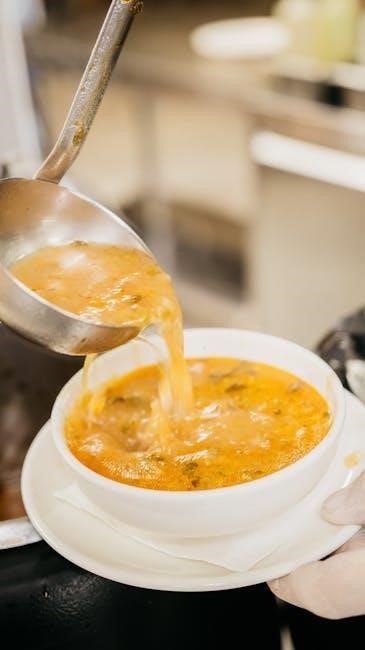
Beyond the Basics: Customizing Your Salsa
Elevate your salsa! Explore fresh ingredients like onions, cilantro, and jalapeños, or experiment with diverse Mrs. Wages flavors for a personalized touch.
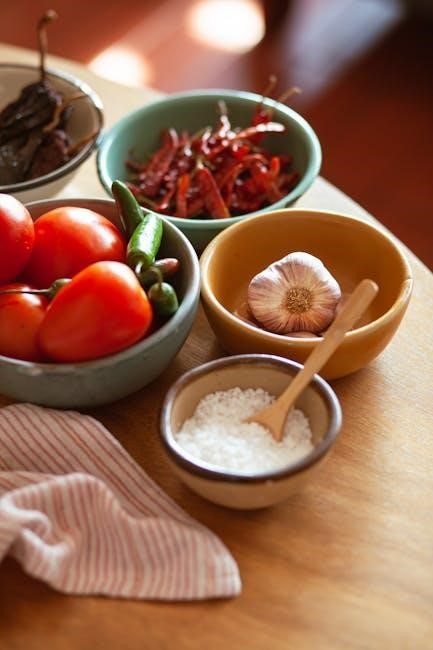
Adding Fresh Ingredients: Onions, Cilantro, and Jalapeños
Transform your Mrs. Wages salsa from good to extraordinary by incorporating fresh ingredients! Finely diced white or red onions provide a delightful sharpness, complementing the salsa’s base flavors. A generous handful of freshly chopped cilantro adds a vibrant, herbaceous note, brightening the overall taste profile.
For those who enjoy a kick, jalapeños are a fantastic addition. Remember to remove the seeds and membranes for milder heat, or leave them intact for a more fiery experience. Start with a small amount and taste as you go, adjusting to your preferred spice level. These additions aren’t just about flavor; they introduce wonderful textures, making each bite more satisfying. Don’t be afraid to experiment with different onion varieties or explore other chili peppers!
Variations: Exploring Different Mrs. Wages Mix Flavors
Mrs. Wages offers a delightful spectrum of salsa mix flavors beyond the classic Mild! Venture into bolder territories with the Spicy or Hot mixes, designed for those who crave intense heat. For a unique twist, explore the Restaurant Style mix, formulated to mimic authentic salsa served in eateries.
Consider the Fiesta Lime mix for a zesty, citrusy kick, or the Garden Vegetable blend for a fresher, more herbaceous profile. Each mix provides a distinct base, allowing for further customization with fresh ingredients. Don’t limit yourself – combine different mixes for a truly personalized salsa creation! Experimenting with these variations unlocks a world of flavor possibilities, ensuring there’s a Mrs. Wages salsa to suit every palate.
Storage and Shelf Life of Homemade Salsa
Proper storage is crucial for maintaining the freshness and flavor of your homemade Mrs. Wages salsa. Always store prepared salsa in an airtight container within the refrigerator. For optimal quality, consume the salsa within one week. The acidity from the vinegar helps preserve it, but it’s still perishable.
Freezing is an option for longer-term storage, though the texture may change slightly upon thawing. Use freezer-safe containers, leaving some headspace for expansion. Frozen salsa can last for several months, but flavor degradation will occur over time. Always check for any signs of spoilage – discoloration, mold, or off-odors – before consuming. Prioritize freshness for the best salsa experience!

Formal Communication & Titles
Understanding titles like Mrs., Ms., and Miss demonstrates respect in communication, reflecting societal norms and acknowledging marital status appropriately.
Using Titles Correctly in Business & Formal Settings
Maintaining professionalism in business and formal correspondence necessitates careful attention to titles. When addressing a woman, determining her preference is paramount, though often impractical. Traditionally, Mrs. denoted a married woman, while Miss signified an unmarried one. However, modern usage introduces Ms. as a neutral option, suitable for any marital status.
In formal letters or emails, always err on the side of caution. If marital status is unknown, Ms. is generally the safest choice. Avoid assumptions. Using the incorrect title can convey disrespect or a lack of attention to detail. When in doubt, observe how the individual signs their own correspondence – this often reveals their preferred title. Remember, respectful communication fosters positive relationships and enhances your professional image.
Addressing Women Respectfully: A Quick Reference Guide
Navigating appropriate address can feel complex, but prioritizing respect is key. Mrs. traditionally precedes the surname of a married woman, a practice rooted in historical usage of “Mistress” as a polite form of address. However, societal norms have evolved. Ms. offers a versatile, neutral alternative, suitable regardless of marital status, and is increasingly preferred by many women.
Miss remains appropriate for unmarried women, though its use is declining. When unsure, Ms. is the safest bet. In American English, “Ma’am” serves as a respectful alternative when addressing a married woman without using her name, particularly in Southern regions. Always be mindful of individual preferences and context to ensure courteous and considerate communication.
When to Use “Ma’am” as an Alternative to “Mrs.”
“Ma’am” functions as a respectful substitute for “Mrs.” primarily when addressing a married woman without explicitly stating her last name. This practice is particularly prevalent in the Southern United States, where it’s considered a standard courtesy. It’s a polite way to acknowledge a woman’s maturity and marital status without relying on formal titles.
However, be mindful of context and individual preferences. Some women may not appreciate being addressed as “Ma’am,” finding it overly formal or dated. When in doubt, observe how others address her or politely inquire about her preferred title. Using “Ms.” remains a universally safe and respectful option, avoiding assumptions about marital status altogether.